
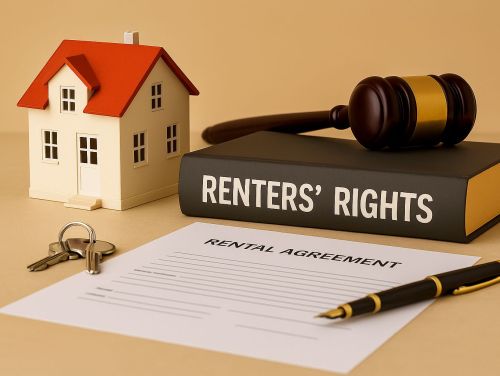
Understanding the Evolving Landscape of Tenant Rights
The rental market is a dynamic ecosystem, and legislation constantly adapts to address emerging issues and ensure a more balanced relationship between landlords and tenants. The latest property law reforms are a testament to this ongoing evolution, focusing on key areas such as lease agreements, property maintenance, eviction procedures, and tenant security. By staying informed about “Your New Rights as a Renter: A Complete Breakdown of the Latest Property Law,” you can proactively manage your tenancy and avoid potential disputes.
Key Updates in Lease Agreements and Tenancy Terms
Lease agreements form the foundation of the landlord-tenant relationship. Recent legal changes have brought about important modifications to how these agreements are structured and what they must contain. This section delves into the specifics of these updates, ensuring you understand the nuances of your contractual obligations and rights.
Mandatory Lease Provisions
New legislation often mandates specific clauses that must be included in all residential lease agreements. These provisions are designed to enhance transparency and protect tenants from unfair terms. Expect to see clearer language regarding:
- Rent increase limitations and notice periods.
- The conditions under which a landlord can enter your property.
- Specific details about utility responsibilities.
- Procedures for lease termination by either party.
- Information about security deposit handling and return.
Prohibited Lease Clauses
In line with strengthening tenant protections, certain clauses that were previously common in lease agreements are now deemed illegal. Landlords are no longer permitted to include terms that:
- Waive a tenant’s right to legal recourse.
- Impose unreasonable late fees or penalties.
- Allow for arbitrary entry by the landlord without proper notice.
- Require tenants to perform extensive repairs beyond normal wear and tear.
Fixed-Term vs. Periodic Tenancies
The latest property law may also clarify the distinctions and rights associated with different types of tenancies. Fixed-term tenancies offer stability for a set period, while periodic tenancies, often month-to-month, provide more flexibility. Understanding the implications of each, including notice requirements for ending the tenancy, is crucial.
Enhanced Protections Regarding Property Maintenance and Habitability
A landlord’s responsibility to provide a safe and habitable living space is a cornerstone of tenant rights. The recent legal reforms have significantly bolstered these obligations, giving tenants more leverage to ensure their homes meet essential standards.
Landlord’s Duty to Repair
The definition of what constitutes a “habitability issue” has often been expanded. This means landlords are now more clearly obligated to address a wider range of problems promptly, including:
- Structural integrity issues (e.g., leaky roofs, damaged foundations).
- Adequate heating and cooling systems.
- Safe and functional plumbing and electrical systems.
- Pest control and prevention.
- Ensuring the property is free from mold and other health hazards.
Tenant’s Recourse for Neglect
When landlords fail to uphold their maintenance responsibilities, tenants now have more defined pathways to seek redress. These can include:
- Formal written notice to the landlord detailing the issue and requesting repairs.
- The right to withhold rent under specific, legally defined circumstances (this often requires strict adherence to procedure).
- The ability to arrange for repairs and deduct the cost from rent (again, with strict procedural requirements).
- Seeking legal action or reporting violations to local housing authorities.
The Importance of Documentation
Crucially, for any maintenance issue, meticulous documentation is key. This includes:
- Taking clear photographs or videos of the problem.
- Keeping copies of all written communication with the landlord regarding the issue.
- Maintaining records of repair attempts or expenses incurred.
Understanding Eviction Procedures and Tenant Protections
Eviction is a serious matter, and recent property law changes have introduced stricter protocols to prevent arbitrary evictions and ensure tenants have adequate notice and opportunity to respond.
Just Cause for Eviction
Landlords can no longer evict tenants without a valid, legally recognized reason. Common grounds for eviction now typically include:
- Non-payment of rent.
- Violation of significant lease terms.
- Damage to the property beyond normal wear and tear.
- Illegal activity on the premises.
- Landlord’s intent to occupy the unit or undertake substantial renovations (often with specific notice periods and compensation requirements).
Notice Periods and Legal Process
The length of notice a landlord must provide before initiating eviction proceedings has been standardized and often extended. This gives tenants more time to find alternative housing or address the issue leading to the eviction notice. The legal process itself is also more defined, requiring landlords to follow specific court procedures.
Prohibition of “Self-Help” Evictions
Landlords are strictly prohibited from engaging in “self-help” evictions, which involve actions like changing locks, shutting off utilities, or removing a tenant’s belongings without a court order. Such actions are illegal and can result in significant penalties for the landlord.
Security Deposits: New Rules for Handling and Return
Security deposits are a common feature of rental agreements, and recent legislation often aims to provide greater clarity and protection for tenants regarding these funds.
Itemized Deductions
When a landlord deducts from a security deposit, they are now generally required to provide a detailed, itemized list of all damages or unpaid rent for which the deduction is being made. This list must often be accompanied by receipts or estimates for any repairs.
Time Limits for Return
There are typically strict timeframes within which landlords must return security deposits after a tenant vacates the property. Failure to adhere to these deadlines can result in penalties for the landlord.
Permitted Deductions
Landlords can generally only deduct for damages that go beyond normal wear and tear, or for unpaid rent. They cannot typically deduct for routine cleaning or minor cosmetic issues that are considered part of normal occupancy.
Your Rights Regarding Entry and Privacy
Your home is your private space. Property law is clear on a landlord’s ability to enter your rented property, ensuring your privacy is respected while allowing for necessary maintenance or inspections.
Notice Requirements for Entry
In most jurisdictions, landlords must provide reasonable advance notice before entering a tenant’s unit. This notice period is often specified in law (e.g., 24 hours) and must typically be in writing. Exceptions may exist for emergencies, such as fires or floods.
Purpose of Entry
Landlords can typically only enter for specific, legitimate reasons, such as:
- Making necessary repairs or improvements.
- Conducting routine inspections (with proper notice).
- Showing the property to prospective tenants or buyers (again, with notice).
- Responding to an emergency.
Tenant’s Right to Quiet Enjoyment
This legal principle ensures that tenants have the right to live in their home peacefully and without undue disturbance from the landlord or others acting on the landlord’s behalf. Excessive or unannounced entries can be a violation of this right.
What to Do If Your Rights Are Violated
Knowing your rights is the first step; understanding how to act when they are violated is equally important. This section outlines practical steps you can take.
Step 1: Document Everything
As repeatedly emphasized, thorough documentation is your most powerful tool. Keep records of all communications, issues, and any actions you take.
Step 2: Communicate in Writing
Always communicate with your landlord or their agent in writing (email or certified mail) regarding any issues. This creates a paper trail.
Step 3: Seek Legal Advice
If the issue is significant or unresolved, consult with a legal professional specializing in landlord-tenant law. Many areas offer free or low-cost legal aid services for tenants.
Step 4: Contact Local Authorities
Depending on the nature of the violation, you may be able to report issues to your local housing authority, building code enforcement, or consumer protection agencies.
Step 5: Consider Mediation or Small Claims Court
For certain disputes, mediation can be a less adversarial way to reach a resolution. If other avenues fail, small claims court may be an option for recovering damages or seeking court orders.
Navigating “Your New Rights as a Renter: A Complete Breakdown of the Latest Property Law” for a Better Tenancy
The landscape of tenant rights is continually being shaped to ensure fairness and security for individuals and families who rent their homes. By familiarizing yourself with “Your New Rights as a Renter: A Complete Breakdown of the Latest Property Law,” you are better equipped to navigate your tenancy with confidence. Understanding these legislative updates empowers you to engage in clear communication with your landlord, address issues proactively, and ensure your living situation is both safe and legally compliant. Remember, an informed tenant is a protected tenant.
The information provided in this article is intended as a general guide and should not be considered legal advice. Specific landlord-tenant laws vary significantly by jurisdiction. It is always recommended to consult with a qualified legal professional or your local housing authority for advice tailored to your specific situation and location.