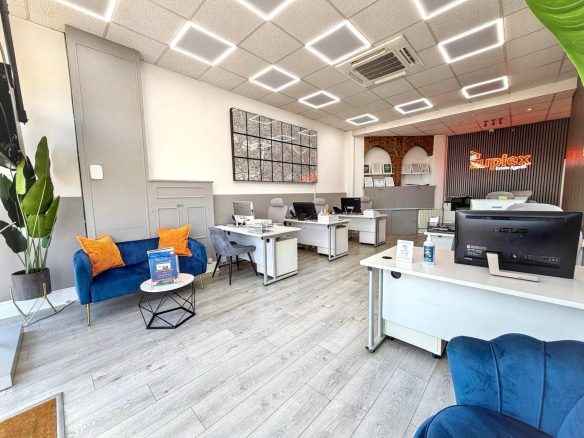

How to Prepare Your Property for New Tenants
The Importance of a Well-Prepared Rental Property
As a property owner, attracting and retaining high-quality tenants is paramount to your success. A significant factor in achieving this is ensuring your property is in excellent condition and ready to welcome new occupants. This process, often referred to as preparing your property for new tenants, goes beyond a simple clean-up. It involves a strategic approach to maintenance, aesthetics, and legal readiness. A well-prepared property not only appeals to a wider pool of potential renters but also minimizes vacancies, reduces the likelihood of late rent payments, and fosters a positive landlord-tenant relationship from the outset. This comprehensive guide will walk you through the essential steps involved in ensuring your property is move-in ready and sets the stage for a successful tenancy.
Pre-Preparation: Deep Cleaning and Decluttering
Before any repairs or cosmetic enhancements, a thorough deep clean and decluttering are non-negotiable. This initial step sets the foundation for everything that follows.
Deep Cleaning Checklist
- Kitchen: Clean all appliances (inside and out), cabinets (inside and out), countertops, sink, faucet, and backsplash. Degrease exhaust fans and stovetops. Ensure the oven interior is spotless.
- Bathrooms: Scrub toilets, sinks, showers, tubs, and tile grout. Clean mirrors, cabinets, and fixtures. Check for mold or mildew and address it promptly.
- Flooring: Vacuum carpets thoroughly, paying attention to edges and high-traffic areas. Steam clean carpets if necessary. Mop all hard floors, ensuring they are free of dirt and grime.
- Walls and Ceilings: Dust walls and ceilings to remove cobwebs and any accumulated dust. Spot clean any scuffs or marks.
- Windows and Blinds: Clean windows inside and out, ensuring they are streak-free. Dust or wipe down blinds and curtains.
- Light Fixtures and Fans: Dust all light fixtures, ceiling fans, and vents.
- Baseboards and Trim: Wipe down all baseboards and door frames to remove dust and scuffs.
Decluttering Essentials
Remove any personal belongings, old furniture, or items left behind by previous tenants. A clean slate is crucial for potential renters to visualize themselves living in the space. If there are built-in storage areas, ensure they are empty and clean.
Essential Repairs and Maintenance
Once the property is clean and decluttered, it’s time to address any necessary repairs. Neglecting repairs can lead to tenant dissatisfaction and costly problems down the line.
Structural and Safety Checks
- Plumbing: Check for leaks in faucets, toilets, and pipes. Ensure consistent water pressure and drainage. Repair any dripping faucets or running toilets.
- Electrical: Test all light switches, outlets, and appliances. Ensure all smoke detectors and carbon monoxide detectors are functioning correctly and have new batteries. Address any faulty wiring or exposed wires.
- HVAC System: Service the heating and cooling systems. Change air filters. Ensure both systems are working efficiently.
- Appliances: Verify that all provided appliances (refrigerator, oven, dishwasher, washing machine, dryer) are in good working order. Clean them thoroughly.
- Doors and Windows: Ensure all doors and windows open and close smoothly. Check that locks are secure and functional. Repair or replace any damaged screens.
- Flooring: Repair or replace any damaged or loose flooring. This includes cracked tiles, worn-out carpets, or warped wood.
- Walls: Patch any holes or cracks in the drywall. Ensure paint is fresh and free of significant blemishes.
Pest Control
Before new tenants move in, it’s wise to conduct a professional pest inspection and treatment if necessary. This proactive measure can prevent future issues and ensure a healthy living environment.
Cosmetic Enhancements for Curb Appeal and Interior Appeal
Beyond repairs, small cosmetic updates can significantly enhance the appeal of your property and command higher rent.
Painting
A fresh coat of paint is one of the most effective ways to modernize a property and make it feel new. Opt for neutral, appealing colors that appeal to a broad range of tastes. This includes interior walls, ceilings, and trim. Don’t forget the exterior doors and trim for enhanced curb appeal.
Flooring Updates
If your carpets are old, stained, or worn, consider replacing them. Similarly, if hardwood floors are scuffed, refinishing them can make a huge difference. Even updating a few tiles in the bathroom or kitchen can modernize the space.
Lighting Fixtures
Outdated light fixtures can make a space feel dated. Replacing them with modern, energy-efficient options can elevate the look and feel of the property.
Hardware and Fixtures
Consider updating cabinet hardware, door handles, and faucet fixtures. Small changes like these can add a touch of modern elegance.
Landscaping and Exterior
Curb appeal is the first impression potential tenants have. Ensure the lawn is mowed and edged, bushes are trimmed, and any exterior paint is fresh. A clean and well-maintained exterior signals a well-maintained property overall.
Ensuring Safety and Security
Tenant safety and security are paramount. Implementing robust safety measures demonstrates your commitment to their well-being.
Smoke and Carbon Monoxide Detectors
As mentioned, ensure these are installed, functioning, and have fresh batteries. Check local regulations for placement requirements.
Secure Locks
Install deadbolt locks on all exterior doors. Ensure window locks are in good working order. Rekeying locks between tenants is a best practice for security.
Emergency Contact Information
Provide tenants with a clear list of emergency contacts, including your contact information and local emergency services numbers.
Safety Features
Check for any potential hazards, such as loose railings, uneven steps, or exposed electrical outlets. Address these immediately.
Legal and Administrative Readiness
Before a tenant moves in, ensure all legal and administrative aspects are in order.
Lease Agreement
Prepare a comprehensive and legally sound lease agreement. This document should clearly outline the terms of the tenancy, including rent amount, due date, late fees, rules regarding pets, smoking, maintenance responsibilities, and notice periods. Consider having a legal professional review your lease template.
Property Condition Report
Create a detailed move-in inspection checklist or property condition report. This document, signed by both you and the tenant, should record the condition of the property and all its contents at the time of move-in. This is crucial for protecting your security deposit and resolving any disputes later.
Utilities
Determine which utilities the tenant will be responsible for and which will be covered by the landlord. Ensure all utilities are active and in good working order before the tenant’s arrival.
Keys
Provide tenants with the correct number of keys for all necessary doors and access points. Ensure these keys are functional.
Marketing Your Prepared Property
Once your property is impeccably prepared, it’s time to market it effectively.
High-Quality Photos and Videos
Invest in professional photography and videography. Well-lit, attractive images and a virtual tour can significantly increase interest and attract more serious inquiries.
Compelling Listing Description
Highlight the key features and recent upgrades of your property. Use descriptive language that appeals to your target demographic. Include details about the neighborhood, amenities, and proximity to transportation or services.
Online Listing Platforms
Utilize popular online rental platforms to reach a wide audience. Ensure your listing is accurate, up-to-date, and includes all necessary information.
The Tenant Move-In Process
The move-in day is the culmination of your preparation efforts. A smooth process sets a positive tone.
Final Walk-Through
Conduct a final walk-through with the new tenant to review the property condition report and answer any last-minute questions. Ensure all agreed-upon repairs or cleaning have been completed.
Key Handover and Documentation
Hand over the keys and ensure the tenant has signed all necessary lease documents and the property condition report.
Provide Essential Information
Share important information such as how to pay rent, who to contact for maintenance requests, and any building-specific rules or procedures.
Ongoing Maintenance and Tenant Relations
Preparing your property for new tenants is just the beginning. Maintaining a good relationship and a well-kept property throughout the tenancy is equally important.
Regular Inspections
Conduct periodic inspections (with proper notice) to ensure the property is being well-maintained and to identify any potential issues early on.
Promptly Address Maintenance Requests
Respond to tenant maintenance requests in a timely and professional manner. This fosters trust and prevents minor issues from escalating into larger, more expensive problems.
Open Communication
Maintain open lines of communication with your tenants. A positive landlord-tenant relationship is built on mutual respect and clear communication.
Conclusion
Thoroughly preparing your property for new tenants is a strategic investment that pays dividends. By focusing on deep cleaning, essential repairs, cosmetic enhancements, safety measures, and legal readiness, you not only attract desirable renters but also ensure a smoother, more profitable, and less stressful property management experience. A move-in ready property signals professionalism and care, setting the stage for a positive and long-lasting tenancy. This meticulous approach to property preparation is a cornerstone of successful property ownership, contributing to reduced vacancies, higher tenant retention, and a stronger return on your investment.